How LLM.kiwi runs model traffic at the edge
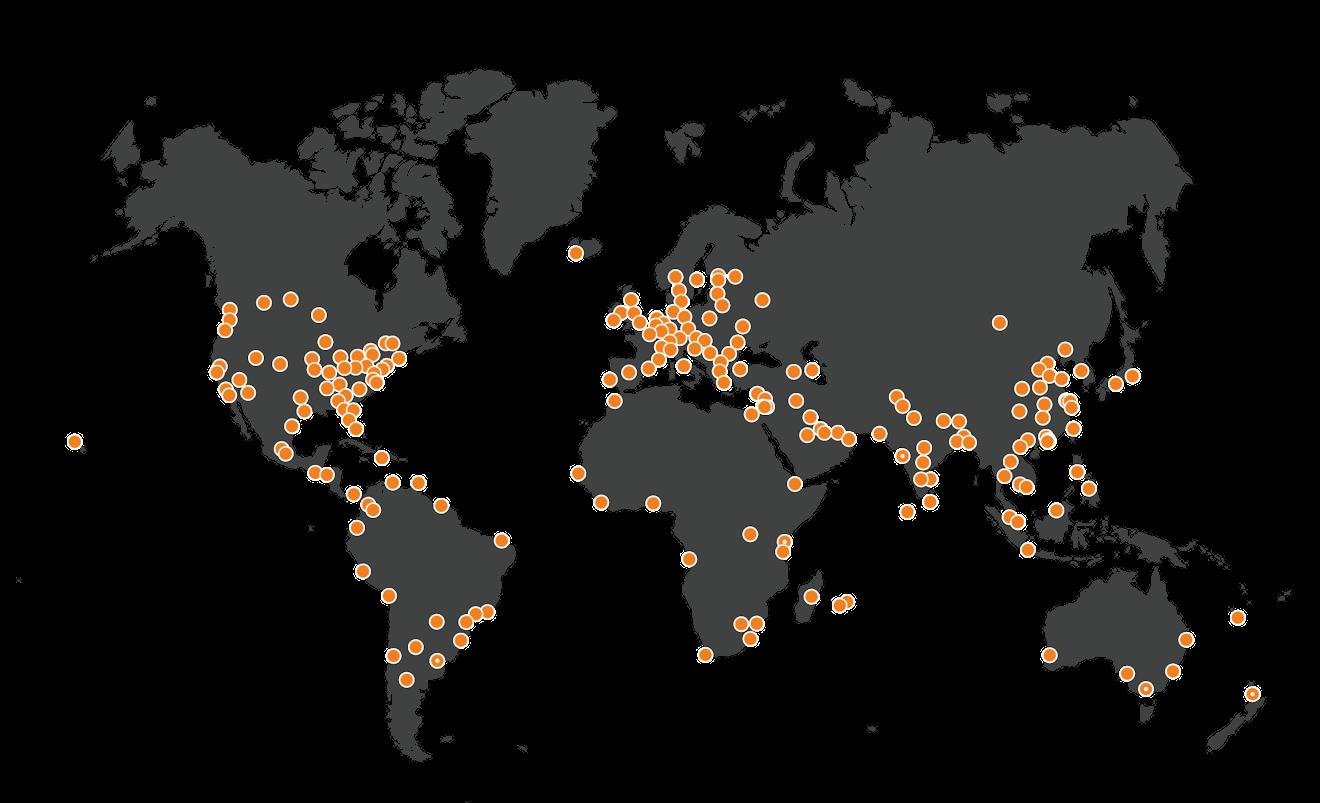
All Kiwi model lanes run through Cloudflare edge infrastructure so teams can reduce latency variability, keep request controls close to ingress, and scale without moving to a new API contract.
Direct answer: LLM.kiwi deploys request handling, safeguards, and model routing on Cloudflare edge, so teams get lower-latency responses with a stable OpenAI-compatible API.
Latency consistency
Nearby ingress reduces long-haul round trips for user traffic.
Operational guardrails
Auth, moderation, and rate limits run in the same request path.
Model lane clarity
Kiwi aliases remain stable while upstream mappings stay explicit.

Request lifecycle
Requests enter through Cloudflare edge and are normalized before model routing.
Auth, rate limits, and payload guardrails run before model execution.
Kiwi aliases map to production lanes with explicit base-model visibility.
Responses return through the same edge path with consistent headers and controls.
Edge deployment at a glance
| Capability | User impact | Implemented layer |
|---|---|---|
| Near-user ingress | Lower latency variance and faster first-token delivery | Cloudflare edge POP routing |
| Policy-first execution | Safer and more predictable responses under load | Auth, rate-limit, moderation checks |
| Stable API contract | No client rewrites when model lanes evolve | OpenAI-compatible endpoint surface |